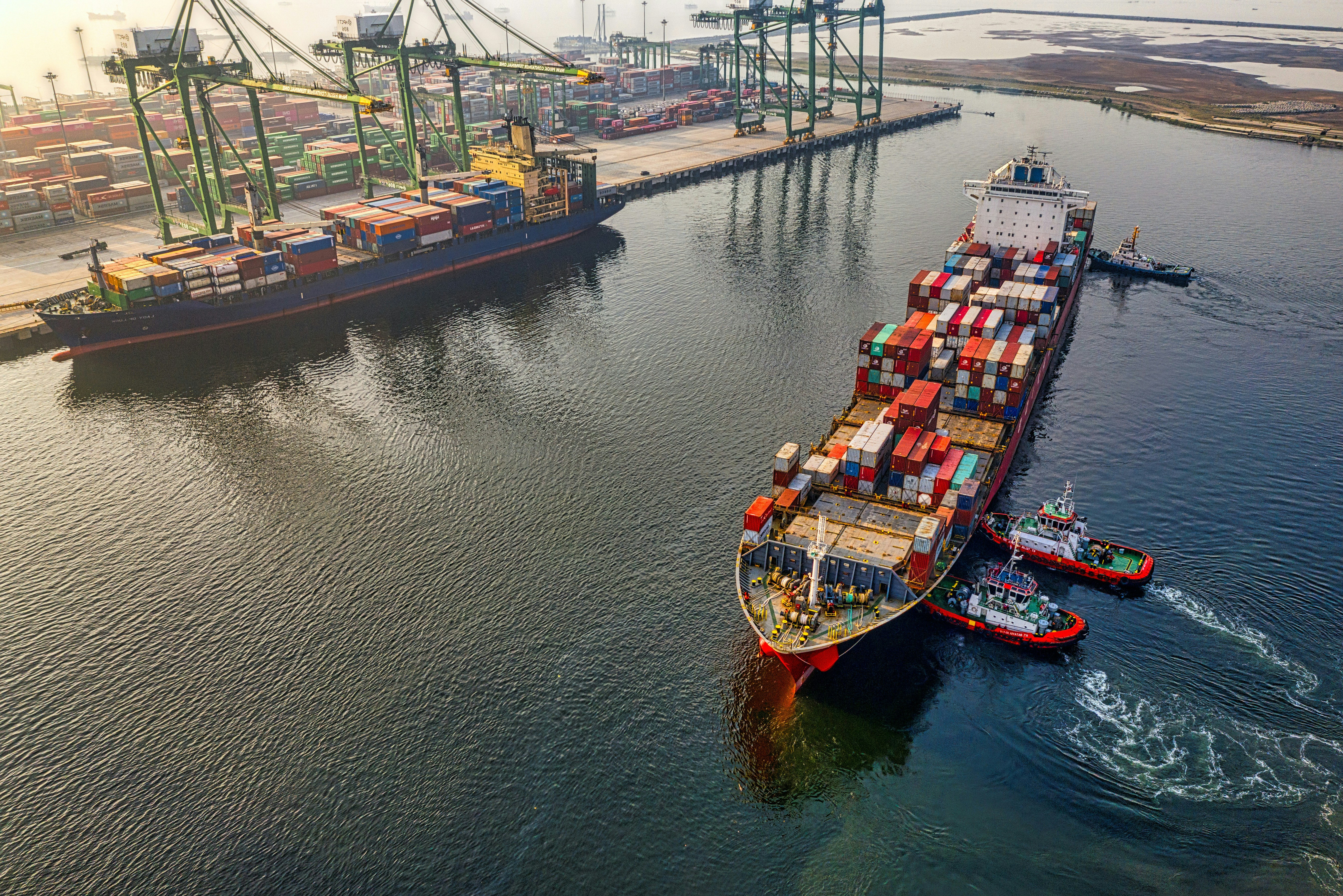
The shipment quantity helps determine the appropriate vessel size and potential freight structure. The vessel's available cargo capacity must be assessed after accounting for draft limitations, fuel, stores and other operational factors.
Dry Bulk Shipping in Kerala: Cargo Chartering Opportunities Through Kochi and Vizhinjam
Exploring bulk cargo transportation, vessel chartering and maritime trade opportunities from Kerala to international markets.
Dry bulk shipping plays an important role in international commodity trade, connecting producers, suppliers, traders and industrial consumers across global markets. Commodities such as cement clinker, coal, fertilisers, steel raw materials, grains and minerals are transported by sea in large quantities, making suitable vessel selection and efficient cargo planning essential for successful shipments.
In Kerala, Kochi and Vizhinjam are important locations to consider when exploring maritime trade and port-related opportunities. Alongside Kerala's wider commercial and logistics network, these locations offer a regional starting point for businesses looking to understand cargo movements, shipping arrangements and international trade connections.
At Red C Marines, we focus on ship broking, vessel chartering, commodity broking and marine logistics service coordination, connecting relevant cargo interests with shipowners, vessel operators, charterers, traders and logistics partners.
Understanding Dry Bulk Shipping
Dry bulk shipping involves transporting unpackaged solid commodities in the cargo holds of vessels designed for bulk cargo operations. These shipments are generally measured in metric tonnes and may range from smaller parcels to large-scale cargo movements.
Common dry bulk commodities include:
- Cement and cement clinker
- Coal and other industrial raw materials
- Fertilisers and agricultural inputs
- Iron ore and mineral products
- Grains and other agricultural commodities
- Steel-related raw materials and suitable bulk products
The appropriate shipping arrangement depends on the commodity, shipment quantity, loading and discharging facilities, destination, vessel specifications and contractual requirements.
For cargo owners and commodity traders, identifying a suitable vessel at the right time can help support efficient transportation planning and commercially viable trade.
Kochi: A Key Maritime Centre in Kerala
Kochi has an established maritime, commercial and logistics ecosystem, supported by the Port of Kochi and connections with businesses operating across Kerala and other parts of India.
For companies involved in commodity trading, industrial supply chains and cargo transportation, Kochi is a relevant location for exploring shipping and logistics requirements.
Dry bulk shipping opportunities associated with the Kochi region depend on the specific cargo, port facilities, vessel compatibility and applicable operating arrangements.
Cargo owners planning a shipment should evaluate:
- The cargo's origin, quantity and destination
- Available loading and discharging facilities
- Vessel draft and port restrictions
- Cargo handling arrangements and expected turnaround time
- Freight terms and the allocation of port-related expenses
- Inland transportation and other supporting logistics requirements
Red C Marines welcomes enquiries relating to suitable bulk cargo movements and vessel chartering opportunities connected with Kochi and other Indian ports.
Vizhinjam: Emerging Opportunities in Kerala's Maritime Sector
Vizhinjam International Seaport, near Thiruvananthapuram, is an important development in Kerala's maritime infrastructure, particularly for container transshipment and international shipping connectivity.
Its development adds to Kerala's broader maritime landscape and encourages businesses to consider the wider opportunities associated with port infrastructure, shipping networks and supporting logistics services.
However, port suitability must be assessed for each individual cargo. Dry bulk shipments require appropriate cargo-handling facilities, operational compatibility and confirmed arrangements. A port's container transshipment capabilities should not automatically be interpreted as confirmation that every dry bulk cargo can be handled there.
For cargo owners considering Vizhinjam, relevant questions include:
- Is the required commodity handled at the intended facility?
- Are suitable loading, unloading and storage arrangements available?
- Can the proposed vessel meet the port's draft and operational requirements?
- Are the necessary permissions and service arrangements in place?
- Would another Indian port provide a more suitable solution for the cargo?
Red C Marines aims to connect cargo interests with relevant shipping and logistics counterparties to explore commercially and operationally suitable options.
Finding the Right Vessel for Dry Bulk Cargo
Selecting a vessel for a dry bulk shipment involves more than matching the cargo quantity with a vessel's deadweight tonnage.
The vessel must be suitable for the cargo, the ports and the shipment schedule.
1. Cargo Quantity and Vessel Capacity
The shipment quantity helps determine the appropriate vessel size and potential freight structure. The vessel's available cargo capacity must be assessed after accounting for draft limitations, fuel, stores and other operational factors.
2. Vessel Type and Cargo Holds
Bulk carriers and suitable multipurpose or general cargo vessels may be considered depending on the commodity and handling requirements. Cargo hold configuration, hatch dimensions and vessel equipment can influence suitability.
3. Loading and Discharging Ports
Both ends of the voyage must be evaluated. Draft restrictions, berth availability, loading equipment, discharge facilities and local port requirements can affect which vessels are practical.
4. Laycan and Vessel Position
The laycan defines the agreed loading window. The vessel's current position, expected arrival, previous voyage and operational schedule must be checked against that window.
5. Freight and Charter Party Terms
Freight rates should be assessed alongside loading and discharging terms, demurrage provisions, port expenses, payment conditions and other relevant charter party clauses.
A well-matched vessel should satisfy the cargo's technical, operational, scheduling and commercial requirements.
How Cargo Owners Can Source Bulk Carriers
Cargo owners and charterers can explore vessel availability through several channels.
Direct shipowners and vessel operators: Contacting relevant owners and operators can provide information about vessel specifications, trading patterns and potential open positions.
Shipbroking networks: Brokers can connect cargo interests with vessel providers and other brokers who have access to suitable tonnage or cargo opportunities.
Shipping market platforms: Vessel availability websites, cargo enquiry platforms and commercial maritime databases can help identify potential opportunities. Published information should always be checked for accuracy and current availability.
Port and logistics contacts: Freight forwarders, port agents and other maritime service providers may help identify suitable contacts and clarify operational requirements.
When approaching a vessel provider, prepare a clear cargo enquiry containing the commodity, quantity, loading and discharging ports, laycan, handling rates and any special vessel requirements. This makes it easier to assess whether a vessel is suitable.
Dry Bulk Cargo Chartering Opportunities for Kerala Businesses
Kerala-based traders, manufacturers, exporters, importers and logistics companies may encounter a variety of bulk cargo requirements linked to domestic and international trade.
Potential enquiries may involve cement clinker, industrial minerals, fertilisers, coal and other suitable commodities. Each opportunity needs to be assessed on its own commercial and operational merits.
For example, a shipment of 20,000–30,000 metric tonnes of an industrial commodity requires a different vessel search from a smaller parcel of bagged material or a shipment of steel products.
The cargo owner should first establish the quantity, cargo characteristics, ports, shipment dates and contractual requirements. A vessel search can then focus on suitable capacity, vessel configuration, availability and freight terms.
Red C Marines seeks to facilitate connections between cargo owners, commodity traders, charterers, shipowners and vessel operators to explore such opportunities.
Beyond Chartering: Coordinating Bulk Cargo Logistics
A successful shipment may require additional arrangements beyond securing a vessel. Depending on the cargo and route, supporting requirements can include:
- Freight-forwarding coordination
- Inland transportation arrangements
- Port-service and vessel-agency coordination
- Cargo handling and storage arrangements
- Documentation and customs-service connections
- Coordination with relevant local logistics partners
Red C Marines can facilitate introductions and coordinate with appropriate third-party service providers where required. The scope and availability of these services depend on the shipment, location, partner capability and agreed commercial arrangements.
Our objective is to help customers connect the relevant parties involved in a cargo movement, from initial enquiry through the coordination of suitable shipping and logistics arrangements.
Why Choose Red C Marines for Ship Broking and Chartering Enquiries?
Red C Marines is an India-based maritime and commodity broking business based in Kerala, with an interest in connecting regional and international commercial opportunities.
Our service areas include:
- Ship broking: Connecting cargo interests and vessel providers.
- Vessel chartering: Facilitating discussions around suitable vessel requirements.
- Commodity broking: Connecting potential commodity buyers and sellers.
- Vessel sale and purchase: Facilitating connections for commercial vessel transactions.
- Marine logistics coordination: Connecting customers with relevant logistics and port-service partners.
- Project cargo coordination: Supporting the coordination of specialised cargo movements through suitable partners.
We welcome enquiries from cargo owners, commodity traders, exporters, importers, shipowners, vessel operators and fellow brokers.
Vessel availability, port suitability, freight quotations and commercial terms remain subject to verification and confirmation by the relevant parties.
Conclusion: Connecting Kerala's Bulk Cargo Requirements with Shipping Opportunities
Dry bulk shipping requires careful coordination between cargo owners, vessel providers, port facilities and logistics partners. Understanding the cargo, selecting an appropriate vessel and evaluating the route are essential steps in developing a practical shipping arrangement.
Kochi provides an established maritime and commercial base in Kerala, while Vizhinjam adds an important dimension to the state's developing international shipping infrastructure. The appropriate port and vessel arrangement must always be determined by the specific cargo and operational requirements.
Whether you are exploring a bulk carrier for an industrial shipment, seeking a vessel for commodity transportation or looking for shipbroking and logistics connections, Red C Marines welcomes your enquiry.
Looking for a vessel for your dry bulk cargo?
Contact Red C Marines to discuss your shipment requirements and explore potential chartering opportunities.
Red C Marines — Connecting Ships, Cargo & Opportunities.
Website: https://redcmarines.com
Email: operations@redcmarines.com
Location: Kerala, India