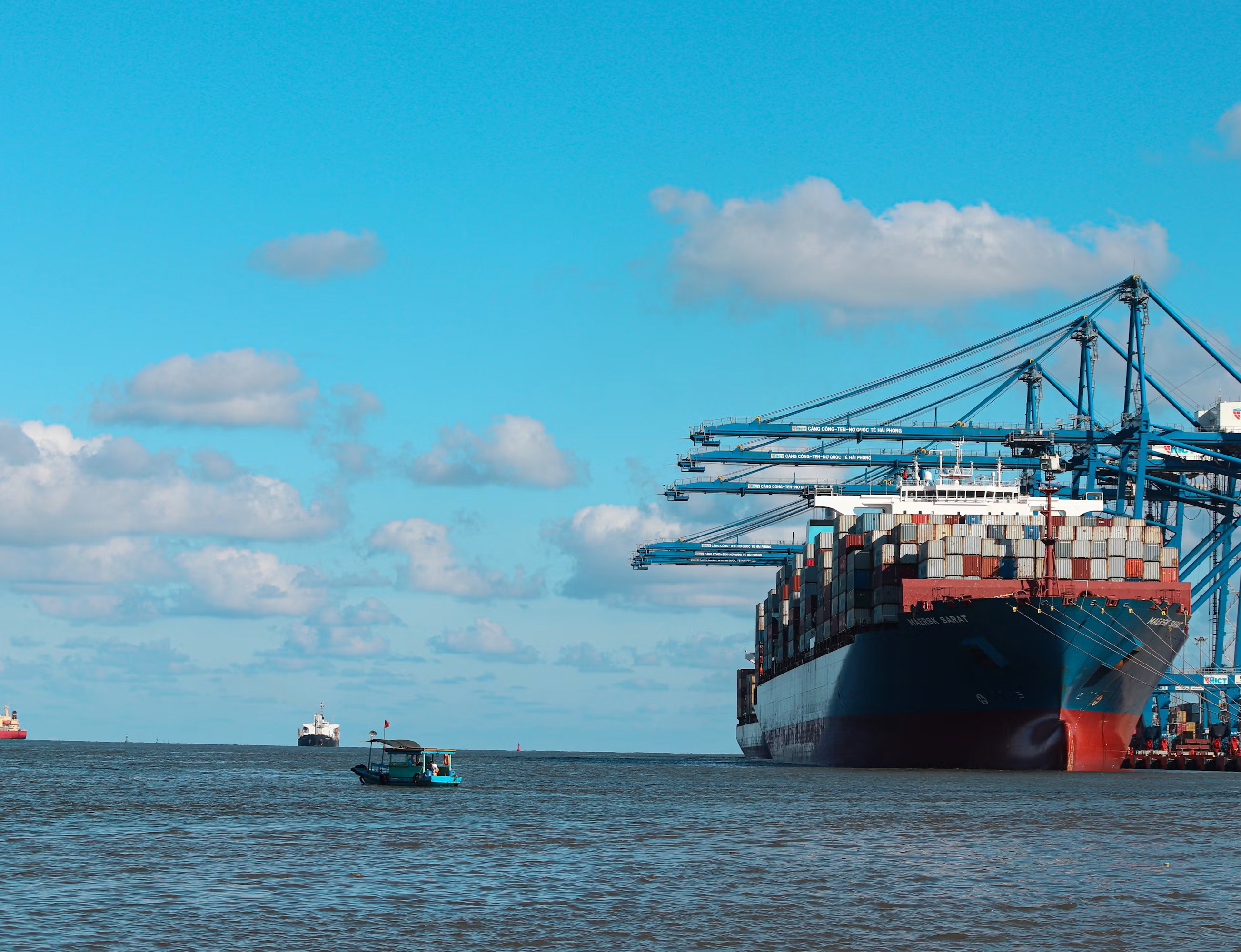
Global maritime trade depends on efficiently matching cargo requirements with suitable vessel capacity. Every shipment presents different considerations—from commodity type and cargo volume to loading ports, discharge locations, vessel specifications, laycan, freight levels, and contractual terms.
Connecting Cargo with the Right Vessel
Global maritime trade depends on efficiently matching cargo requirements with suitable vessel capacity. Every shipment presents different considerations—from commodity type and cargo volume to loading ports, discharge locations, vessel specifications, laycan, freight levels, and contractual terms.
Shipbroking provides the commercial link between these requirements and the global vessel market.
Shipbrokers work between cargo interests, charterers, shipowners, and vessel operators to identify suitable opportunities and support negotiations that can lead to successful fixtures.
Bridging Two Global Markets
On one side of the market are companies looking to transport commodities and project cargo. On the other are shipowners and operators seeking employment for their vessels.
These parties may operate in different countries, time zones, and market segments. A shipbroker helps bridge that gap by circulating cargo inquiries, identifying suitable tonnage, evaluating market opportunities, and establishing communication between relevant cocounterpartiesunter parties.
For example, when a charterer requires a vessel to transport bulk cargo from India to the Middle East, a broker can approach suitable vessel owners and operators whose vessels match the cargo, route, capacity, and timing requirements.
From Enquiry to Fixture
The shipbroking process typically begins with a cargo requirement or an available vessel position.
The broker gathers the essential commercial information, approaches appropriate market participants, compares available opportunities, and assists the parties during freight and charter-party negotiations.
Key considerations can include:
- Cargo quantity and specification
- Loading and discharge ports
- Vessel type and capacity
- Laycan and vessel availability
- Freight rate
- Loading and discharge terms
- Laytime and demurrage
- Charter-party conditions
Once both parties reach agreement on the principal terms and outstanding subjects are resolved, the vessel may be considered fixed for the voyage.
Market Intelligence Matters
Shipbroking involves considerably more than simply introducing two companies. Shipping markets constantly change as vessel availability, commodity demand, port congestion, fuel costs, geopolitical developments, weather conditions, and regional trade flows influence freight markets.
Effective brokers therefore maintain relationships across international shipping markets while continuously tracking cargo opportunities, vessel positions, freight indications, and market developments.
Supporting the Flow of Global Trade
From dry bulk commodities and energy products to breakbulk and project cargo, shipbroking plays an important role in bringing cargo demand and vessel supply together.
By combining market access, commercial communication, industry relationships, and disciplined negotiation, shipbrokers help shipping counterparties identify opportunities and move transactions from initial enquiry toward successful execution.
At Red C Marines, we connect maritime opportunities across cargo and vessel markets, supporting clients through commercially focused shipbroking and chartering coordination.